Introduction
You do n’t need to give up your favorite foods or adopt an extreme diet to weight loss. The key is selecting foods that deliver ample nutrients and keep you feeling full. If you're unsure what foods aid weight loss, the top picks are usually those high in protein, fiber, vitamins, minerals, and healthy fats.
A diet that raise healthy weight loss should be both practical and enjoyable. Rather than aiming to eat as little as possible, structure your meals around healthy foods, manage portion sizes, stay physically active, and cultivate habits that are sustainable in the long term.
What Food Is Good for Weight Loss?
No single food can automatically lead to weight loss. or else, reliable foods can simplify a healthy eating plan since they are satisfying and packed with nutrients.
Foods especially beneficial for a weight-loss diet include:
Vegetable and green leafy
Fruits
Egg and protein
Fish and seafood
Beans and lentils
Oats and whole grains
Greek yogurt
Nuts and seeds
These foods can contribute to satisfying meals while minimizing dependence on highly processed choices.
Choose Foods That Keep You Full
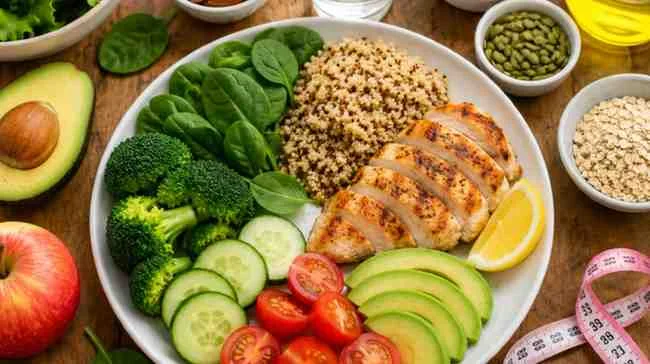
A major difficulty during weight loss is feeling hungry. Protein and fiber can make you look fuller after a meal. For instance, a meal with grilled chicken, vegetables, and brown rice might feel more satisfying than one centered mostly on refined carbs.
How much you eat is still important, but pick nutritious and satisfying foods can help make healthy eating simpler.
High-Protein Foods for Weight Loss
Protein plays a key role in a well-rounded diet. Adding a protein source to your meals can increase their satisfaction and help preserve muscle as you shed weight.
High-Fiber Foods That Support Weight Loss
Fiber is another key nutrient to add when preparing fulfilling meals. Many foods rich in fiber also provide vitamins, minerals, and other helpful plant-based compounds.
Good choices include:
Oats
Beans
Lentils
Vegetables
Fruits
Whole grains
Chia seeds
Flaxseeds
Slowly increasing fiber intake and staying well-hydrated can assist your digestive system in adapting to a higher-fiber diet.
Best Fruits for Weight Loss
Fruit can definitely be included in a healthy weight-loss diet. Though outgrowth has natural sugars, it also delivers water, fiber, vitamins, minerals, and additional nutrients.
Apples
Apples are easy to eat, naturally sweet, and provide fiber. They pair well with a protein-rich food like plain yogurt for an easy snack.
Berries
Strawberries, blueberries, raspberries, and blackberries are tasty choice that work well in yogurt, oatmeal, or smoothies.
Oranges and Citrus Fruits
Oranges and other citrus fruits contain vitamin C and water. Typically, whole fruit leaves you feeling fuller than fruit juice does.
Watermelon
Watermelon is mostly water, which makes it a refreshing fruit. It works well as part of a balanced snack or meal.
Grapefruit
Grapefruit can be part of a diverse diet. However, individuals on certain medications should consult a healthcare professional, as grapefruit may interact with some drugs.
Avocado
Avocado is botanically classified as a fruit and offers beneficial unsaturated fats and fiber. Due to its relatively high energy content, portion size deserves consideration.
Best Vegetables for Weight Loss
Vegetables are among the simplest foods to contain into a diet focused on weight management. Many contribute abundant food and water, while also enhancing the volume and taste of meals.
Leafy Greens
Spinach, lettuce, kale, and other leafy greens are versatile and can be added to salads, wraps, soups, and cooked meals.
Broccoli and Cauliflower
These vegetables are adaptable and can be roasted, steamed, or used in stir-fries.
Healthy fats
Healthy fats play and important role in balanced diet. people think diet all fats cause can help you feel full of energetic for a longer time and me reduce unwanted snackingweight gain but this is not true the right amount of healthy fats
Best healthy fat sources:
Avocados Nuts (almond, walnuts)
Seeds Olive oil
Fatty fish
Benefits
Keeps you satisfied
Reduce unhealthy cravings
Support overall health
Important, Eat in moderation, as fats are calorie-dense
Cucumber
Cucumber is refreshing and works well in salads, sandwiches, or yogurt-based meals.
Carrots
Carrots are a good source of fiber and can be enjoyed raw, roasted, or incorporated into soups and various dishes.
Bell Peppers
Bell peppers bring color, taste, and nutrition to salads, omelets, stir-fries and homemade wraps.
One easy way to boost your vegetable consumption is to fill a large part of your plate with a variety of vegetables.
Healthy Fats for Weight Loss
You do n’t need to eliminate fat entirely from your diet. Including healthy unsaturated fats can contribute to a balanced diet.
Avocado
Almonds and other nuts
Seeds
Olive oil
Fatty fish
The key is portion control, since fats are high in energy. A small portion can enhance flavor and satisfaction without overpowering a meal.
Whole Grains and Complex Carbohydrates
Carbohydrates serve as a key energy source. Rather than removing them, opt for more whole or minimally processed carbohydrate options.
Oatmeal
Oats make a convenient breakfast option and pair well with fruit, yogurt, nuts, or seeds.
Brown Rice
Brown rice can be included in well-balanced meals with vegetables and a protein source.
Quinoa
Quinoa is a flexible grain-like food that pairs nicely with salads, bowls, and side dishes.
Whole-Wheat Foods
Whole-wheat bread, pasta, and other whole-grain foods typically contain more fiber than their refined versions.
Sweet Potatoes
Sweet potatoes can be baked or roasted and paired with vegetables and a protein for a fulfilling meal.
Healthy Snacks for Weight Loss
Snacking does n’t necessarily hinder weight loss. The quality and quantity of food are more important.
Plain Greek yogurt with berries
An apple with a small serving of nut butter
A boiled egg
A small portion of nuts
Cucumber and carrot sticks with hummus
Air-popped popcorn
The ideal snack varies based on your level of hunger, daily calorie requirements, and general eating habits.
Foods and Drinks to Limit When Trying to Lose Weight
To control your weight, you don't have to give up particular meals entirely. However, consuming excessive amounts of high-calorie foods and beverages on a regular basis, particularly those heavy in added sugar and saturated fat, might make controll
Sugary soft drinks
Sweetened beverages
Excess sweets and desserts
Deep-fried foods
Highly processed snack foods
Refined carbohydrate products
Very large portions
weight more challenging.
Instead, prioritize clean, nutrient-dense foods while allowing yourself to occasionally indulge in your favorite delicacies. It is frequently simpler to adhere to and sustain this balanced strategy over time.
Simple Meal Ideas for Weight Loss
A nutritious dinner doesn't have to be difficult.
Breakfast
Try eggs with veggies and whole-grain toast, or porridge with berries and a few nuts on top.
Lunch
Dinner
Try baked sweet potatoes or brown rice with roasted veggies and grilled fish or poultry.
Snacks
Convenient options include plain yogurt with fruit, a boiled egg, or a tiny portion of nuts.
Instead than relying on a single "weight-loss food," the objective is to integrate various dietary groups.
Tips for Healthy and Sustainable Weight Loss
Realistic eating habits make it easier to sustain healthy weight loss.
Focus on Balanced Meals
Protein, fruits or vegetables, whole grains or other carbohydrates, and a healthy fat source should all be included.
Include Protein and Fiber Regularly
In addition to making meals more filling, protein and fiber may help you control your hunger in between meals.
Drink Enough Water
An essential component of a healthy lifestyle is water. Reducing needless added sugar and calories can also be achieved by choosing water over sugar-filled beverages.
Practice Portion Awareness
When consumed in excess, even nutrient-dense meals can add a significant amount of calories. Recognize the sections that work best for you.
Plan Meals Ahead
When you plan a few meals ahead of time, you can lessen the temptation to turn to highly processed snacks or fast food when you're hungry.
Stay Physically Active
Frequent exercise promotes general health and can support a balanced diet. Select enjoyable hobbies to make them simpler to stick with.
Get Enough Sleep
Sleep is crucial for general health and can affect daily routines, energy levels, and appetite.
Avoid Extreme Diets
Maintaining extremely tight diets can be challenging. A short-term crash diet is typically less realistic than a comprehensive strategy that you can stick to for months or years.
Frequently Asked Questions
What should I eat every day to lose weight?
Organize meals around fruits, vegetables, whole grains, foods high in protein, and healthy fats. Your unique energy needs and objectives will determine the appropriate amount.
Can I eat rice while trying to lose weight?
Indeed. A diet that aims to reduce weight can include rice. For a more balanced dinner, pay attention to portion sizes and think about combining rice with veggies and a source of protein.
Which fruit is best for weight loss?
There isn't just one fruit that works best for losing weight. Oranges, grapefruit, apples, berries, and other whole fruits can all be included in a nutritious diet.
Conclusion
There isn't a single food or ingredient that works well for weight loss. Building your diet around wholesome, satisfying foods like fruits, vegetables, lean meats, legumes, whole grains, and healthy fats is the most beneficial strategy.
As you strive for a healthier weight, you can still indulge in your favorite foods. Prioritize healthy eating, moderate portion sizes, frequent exercise, enough sleep, and realistically sustainable behaviors. When it comes to long-term weight management, sustainable modifications are more beneficial than severe limitations.