Introduction
Fishing is more than just throwing a line into the water and waiting for a bite. It is a beautiful combination of patience, observation, skill, and understanding nature. Whether you are standing beside a peaceful lake, sitting on a riverbank, or exploring the open sea, learning how to catch fish can turn a simple outdoor activity into an unforgettable experience.
Many beginners think fishing depends only on luck, but experienced anglers know that successful fishing comes from choosing the right equipment, understanding fish behavior, selecting the correct bait, and knowing when and where to cast your line.
In this guide, you will discover practical techniques and expert tips that will help you improve your fishing skills and increase your chances of catching fish.
Understanding the Basics of Fishing
Before learning how to catch fish, it is important to understand the basic idea behind fishing. Fish are naturally cautious creatures. They search for food, avoid danger, and follow patterns based on weather, water conditions, and time of day.
A successful fisherman does not simply wait for fish to appear. They study the environment and make smart decisions.
The main elements of fishing include:
- Choosing the right fishing location
- Using suitable fishing equipment
- Selecting effective bait
- Understanding fish habits
- Practicing patience and timing
Mastering these basics creates a strong foundation for becoming a better angler.
Step 1: Choose the Right Fishing Location
The first secret to catching fish is knowing where fish are likely to be found. Different fish species prefer different environments.
Fish often gather around areas where they can find:
- Food sources
- Shelter from predators
- Comfortable water temperatures
- Places to hide
Good fishing spots usually include:
- Areas near rocks
- Water plants and vegetation
- River bends
- Deep water sections
- Places where currents meet
If you are fishing in a new area, observe the water carefully. Look for movement, jumping fish, birds feeding near the surface, or insects around the water. These signs can indicate fish activity.
Step 2: Select the Right Fishing Gear
Having the correct equipment makes fishing easier and more enjoyable. Beginners do not need expensive gear to start.
Basic fishing equipment includes:
Fishing Rod
A fishing rod helps you cast your line and control the fish when it bites. Choose a rod based on the type of fishing you plan to do.
Fishing Reel
The reel stores your fishing line and helps you pull the fish back after catching it.
Fishing Line
Different fish require different line strengths. Small fish need lighter lines, while larger fish require stronger ones.
Hooks
The hook size should match the fish you are trying to catch. A very large hook may scare small fish, while a tiny hook may not handle bigger fish.
Bobber or Float
A float helps you notice when a fish takes the bait by moving or sinking.
Step 3: Pick the Best Bait
Choosing the right bait is one of the most important parts of learning how to catch fish.
Fish are attracted to different types of food depending on their species and environment.
Common natural baits include:
- Worms
- Small insects
- Shrimp
- Small fish pieces
- Crickets
Artificial lures are also popular because they imitate natural prey. Some lures are designed to look like:
- Small fish
- Frogs
- Insects
- Worms
The key is matching your bait with the fish you want to catch.
Step 4: Learn the Correct Casting Technique
Casting is the skill of sending your bait into the water. A good cast places your bait exactly where fish are likely to be.
Follow these simple steps:
- Hold the fishing rod comfortably.
- Pull the line back smoothly.
- Release the line while moving the rod forward.
- Allow the bait to land gently on the water.
- Keep your line controlled after casting.
Avoid making loud movements because sudden sounds can scare fish away.
Step 5: Be Patient and Watch Carefully
One of the biggest lessons in fishing is patience. Many beginners lose confidence because they expect a fish immediately.
Fishing requires waiting and observing.
Pay attention to:
- Small movements of the float
- Changes in line tension
- Water movement
- Fish activity around your bait
When a fish bites, do not pull immediately. Wait for the right moment, then gently lift the rod to secure the hook.
Step 6: Understand the Best Time to Fish
Timing plays a major role in fishing success.
Many fish are more active during:
Early Morning
Fish often search for food after sunrise, making this one of the best fishing times.
Evening
As temperatures become cooler, fish become active again.
Cloudy Days
Overcast weather can encourage fish to move around more because they feel safer.
However, every location is different, so learning local fish patterns is important.
Common Mistakes Beginners Make While Fishing
Avoiding mistakes can improve your chances of catching fish.
Using the Wrong Bait
A bait that works for one fish may not attract another.
Making Too Much Noise
Fish are sensitive to vibrations and sudden movements.
Choosing the Wrong Location
Even the best equipment cannot help if there are no fish nearby.
Lorem ipsum dolor sit amet, consectetur adipiscing elit. Ut elit tellus, luctus nec ullamcorper mattis, pulvinar dapibus leo.
Losing Patience
Fishing is a skill that improves with practice and experience.
Fishing Tips That Experienced Anglers Follow
Here are some simple but powerful tips:
- Keep your fishing gear organized.
- Change your bait if you are not getting results.
- Learn about the fish species in your area.
- Practice different casting techniques.
- Respect nature and keep fishing areas clean.
- Observe experienced fishermen and learn from them.
Small improvements can make a big difference.
Catch and Release: Fishing Responsibly
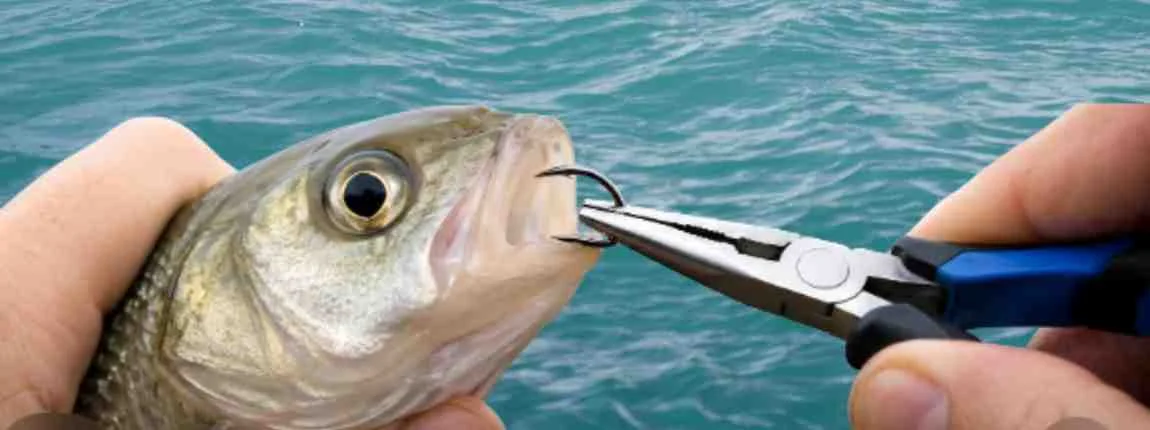
Fishing is not only about catching fish; it is also about protecting nature. Many anglers practice catch and release, where they carefully return fish back into the water.
Responsible fishing helps maintain healthy fish populations and protects aquatic ecosystems for future generations.
Always follow local fishing rules, respect size limits, and avoid damaging the environment.
Final Thoughts: Becoming Better at Fishing
Learning how to catch fish is a journey that combines knowledge, practice, and connection with nature. Every fishing trip teaches something new, whether you catch a fish or simply enjoy the peaceful surroundings.
The best anglers are not always the ones with the most expensive equipment. They are the ones who understand the water, respect the environment, and continue learning.
So grab your fishing rod, choose your spot, prepare your bait, and enjoy the adventure. With patience and practice, anyone can become a confident fisherman.
Happy fishing!