
Introduction
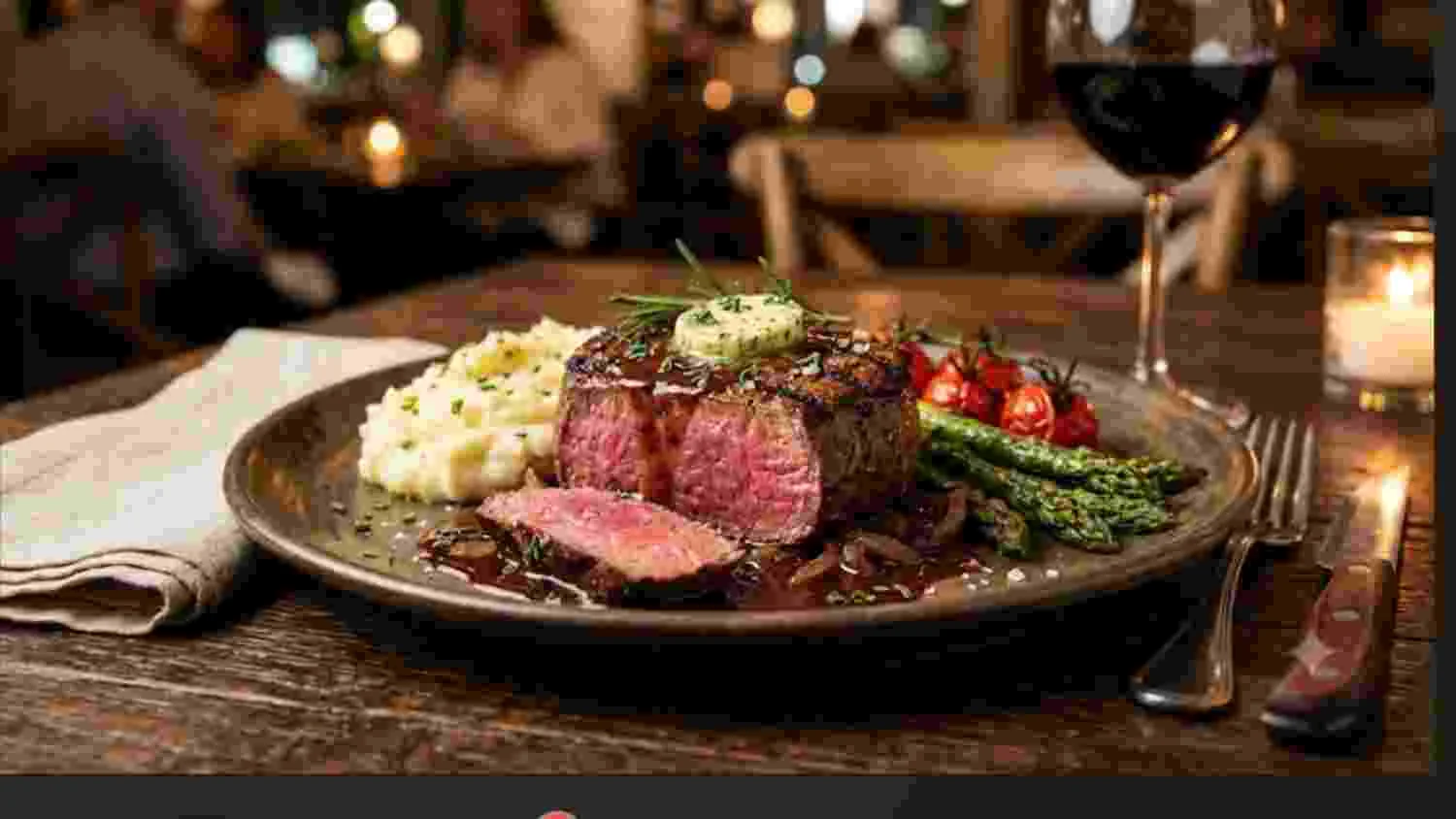
Filet mignon is one of the most tender and delicious cuts of beef. With its soft texture, delicate flavor, and juicy center, it is a popular choice for special dinners, romantic meals, and restaurant-style cooking at home. The best part is that you do not need to be a professional chef to prepare it.
This Filet Mignon Guide: Simple Steps for a Tender and Flavorful Steak will help you choose the right cut, prepare the ingredients, cook the steak properly, and serve it with delicious side dishes. Whether you prefer a golden-brown crust with a pink center or a more thoroughly cooked steak, a few simple techniques can help you achieve great results.
The secret is to season the meat well, use a hot pan, monitor the internal temperature, and allow the steak to rest before serving.
What Is Filet Mignon?
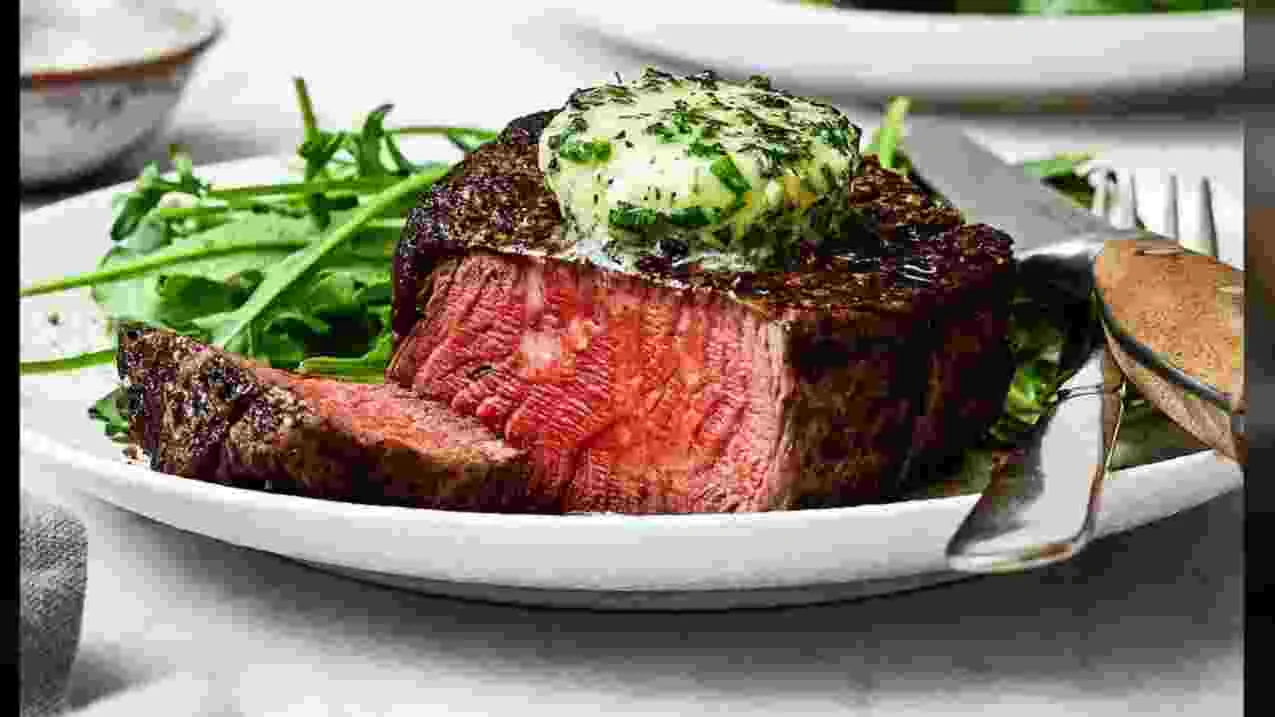
-Filet mignon is a premium cut of beef taken from the tenderloin, a long muscle located along the cow’s back. Because this muscle does relatively little work, the meat is naturally tender and has a fine texture.
Unlike fattier cuts such as ribeye, filet mignon is generally lean and has a mild beef flavor. Its tenderness makes it suitable for simple seasoning with salt and pepper, while butter, garlic, and fresh herbs can add extra flavor.
Filet mignon is often served in steakhouses, but you can prepare it at home using a skillet, an oven, or a grill. Choosing a good-quality steak and controlling the cooking temperature are the keys to getting the best result.
Ingredients Needed to Cook Filet Mignon
You only need a few basic ingredients to make a flavorful filet mignon. Since the beef has a naturally delicate taste, simple seasonings usually work best.

Ingredients
– 2 filet mignon steaks, about 1½–2 inches thick
– 1–2 tablespoons olive oil or another high-heat cooking oil
– Salt, to taste
– Freshly ground black pepper
– 2 tablespoons butter
– 2–3 garlic cloves, lightly crushed
– 2–3 sprigs of fresh rosemary or thyme
Optional additions: A little paprika, onion powder, or a spoonful of mushroom sauce can provide extra flavor. However, these additions are not necessary for a delicious steak.
Equipment You Will Need
Before you start cooking, gather the necessary kitchen tools. Having everything ready makes the process easier and helps you avoid overcooking the steak.
• Heavy skillet: A cast-iron skillet is ideal for creating a rich, brown crust.
• Meat thermometer: Helps you check the internal temperature accurately.
• Kitchen tongs: Allow you to turn the steak without piercing it.
• Paper towels: Help remove moisture from the surface.
• Cutting board: Provides a clean surface for resting and slicing the steak.
How to Cook Filet Mignon Step by Step
Cooking filet mignon is easier when you follow a clear process. Pan-searing is one of the best methods because it creates a flavorful outer crust while helping the center remain tender and juicy.

Step 1: Prepare the Steak
Remove the steak from its packaging and pat it dry with paper towels. A dry surface helps the meat brown more effectively when it touches the hot pan.
You do not need to leave the steak at room temperature for an extended period. Instead, prepare your ingredients while the pan heats and follow safe food-handling practices.
Step 2: Season With Salt and Pepper
Sprinkle salt and freshly ground black pepper evenly over both sides of the steak. Press the seasoning gently against the surface so it sticks.
For a more pronounced flavor, you can add a small amount of garlic powder or paprika. However, salt and pepper are usually enough to highlight the natural taste of filet mignon.
Step 3: Heat the Skillet
Place a heavy skillet over medium-high to high heat and allow it to become hot. Add a little cooking oil suitable for high-temperature cooking.
A properly heated pan helps develop a deep brown crust. Avoid adding the steak before the pan is ready, as this can lead to uneven browning.
Step 4: Sear the Steak

Carefully place the seasoned steak in the skillet. Let it sear without moving it constantly, then turn it with tongs to brown the other side.
For a steak about 1½–2 inches thick, searing may take approximately 2–4 minutes per side, depending on the pan’s heat and the steak’s thickness. These times are estimates, so check the internal temperature rather than relying on timing alone.
If the steak is particularly thick, you may need to finish cooking it in a preheated oven.
Step 5: Add Butter, Garlic, and Herbs
Once the steak has developed a good crust, reduce the heat to medium or medium-low. Add the butter, crushed garlic, and rosemary or thyme to the pan.
As the butter melts, carefully spoon it over the steak several times. This technique, often called butter-basting, adds a rich aroma and helps coat the surface with flavor.
Avoid letting the butter or garlic burn. If the pan is extremely hot, lower the heat before adding them.
Step 6: Check the Internal Temperature
Use a meat thermometer to check the thickest part of the steak, avoiding contact with the pan. The right temperature depends on your preferred doneness, but food safety should always come first.
For whole beef steaks, the USDA recommends reaching at least 145°F (63°C), followed by a rest of at least three minutes. Lower temperatures commonly used for rare or medium-rare steak do not meet this USDA safety recommendation.
Step 7: Rest Before Serving
Transfer the cooked steak to a clean plate or cutting board. Let it rest for at least three minutes, and longer if needed for your preferred cooking method and steak size.
Resting gives the temperature time to even out and helps the steak retain a more enjoyable texture. Spoon a little of the garlic-herb butter over the top just before serving.
Filet Mignon Temperature Guide
Choosing the right doneness is an important part of cooking a steak. The following chart shows common culinary temperature ranges.
Doneness Typical internal temperature Appearance
Rare 120–125°F Red center
Medium-rare 130–135°F Warm red-pink center
Medium 140–145°F Pink center
Medium-well 150–155°F Slightly pink center
Well-done 160°F or above Little or no pink
These ranges describe common culinary preferences, not guaranteed food-safe endpoints. Temperature can rise during resting, so account for carryover cooking. For the USDA-recommended minimum, whole beef steaks should reach 145°F and rest for at least three minutes.
Best Ways to Cook Filet Mignon
You can prepare filet mignon using different cooking methods. The best choice depends on the equipment you have and the texture you want.

1. Pan-Searing
Pan-searing is an excellent choice for a steak with a flavorful brown crust. It works particularly well for steaks that are not excessively thick and allows you to add butter, garlic, and herbs in the same pan.

2. Pan-Searing and Oven Cooking
This method is useful for thicker steaks. First, brown the steak in a hot skillet, then transfer it to a preheated oven until it reaches the desired internal temperature.

3. Grilling
Grilling adds a smoky flavor and attractive grill marks. Preheat the grill, lightly oil the steak if needed, and turn it as necessary to cook it evenly.

4. Reverse Searing
Reverse searing works well for thick cuts. Cook the steak gently in a low-temperature oven until it approaches the desired doneness, then finish it in a very hot skillet to develop a brown crust.
Tips for Making Filet Mignon Tender and Flavorful
A few simple habits can make a noticeable difference in your final result.
• Choose evenly thick steaks: Similar thickness helps the steaks cook at a more consistent rate.
• Dry the surface thoroughly: Removing excess moisture helps the steak brown instead of steam.
• Use a hot pan: A hot cooking surface helps form a flavorful crust.
• Keep the seasoning simple: Salt and pepper complement the beef without overpowering it.
• Use butter and herbs carefully: Add them after the initial sear to reduce the risk of burning.
• Check the temperature: A meat thermometer is more reliable than guessing by appearance or cooking time.
• Avoid pressing the steak: Pressing it with a spatula does not improve the crust and can release juices.
• Let the steak rest: Resting gives you time to prepare the sides and helps the meat finish evenly.
Common Filet Mignon Cooking Mistakes
Even a premium cut of beef can turn out disappointing if a few basic details are overlooked.
Mistake How to avoid it
Putting wet steak in the pan Pat it dry before seasoning and searing.
Using a pan that is too cool Preheat the skillet before adding the steak.
Cooking only by the clock Use a meat thermometer to check doneness.
Burning the butter Lower the heat before adding butter and garlic.
Cutting the steak immediately Allow it to rest before serving.
Using too many strong seasonings Start with salt, pepper, and fresh herbs.
Cooking thick steaks only by searing Finish in the oven when necessary.
What to Serve With Filet Mignon

Filet mignon pairs well with side dishes that balance its rich flavor without making the meal feel too heavy.
• Mashed potatoes: Creamy potatoes provide a smooth, comforting contrast to the browned steak.
• Roasted potatoes: Crispy edges and soft centers make them a satisfying choice.
• Asparagus: Roasted or steamed asparagus adds a fresh, slightly earthy flavor.
• Green beans: Lightly sautéed green beans offer color and crunch.
• Roasted carrots: Their natural sweetness works well with savory beef.
• Fresh salad: A crisp salad with a simple vinaigrette helps balance the meal.
• Mushroom sauce: Earthy mushrooms complement the mild taste of filet mignon.
• Garlic butter: A small spoonful adds richness without requiring a complicated sauce.
For a simple dinner, serve the steak with mashed potatoes and roasted vegetables. For a special occasion, add mushroom sauce or a red wine reduction.
How to Store and Reheat Leftover Filet Mignon
If you have leftover steak, proper storage can help maintain its quality and keep it safe to eat.
1. Allow the steak to stop steaming heavily, but do not leave it sitting out for too long.
2. Place it in a clean, airtight container.
3. Refrigerate it within two hours of cooking, or within one hour if the surrounding temperature is above 90°F (32°C).
4. Use refrigerated leftovers within three to four days.
5. Reheat gently to help prevent the meat from becoming dry. For food safety, reheat leftovers to 165°F (74°C).
You can also slice leftover filet mignon and add it to salads, sandwiches, wraps, or rice bowls.
Frequently Asked Questions (FAQs)
1. What is the best way to cook filet mignon?
Pan-searing is an excellent way to cook filet mignon because it creates a flavorful crust while allowing you to control the cooking process. For thicker steaks, sear them first and finish cooking in the oven if needed.
2. How long should you cook filet mignon in a pan?
For a steak approximately 1½–2 inches thick, sear it for about 2–4 minutes per side, then continue cooking as needed. The exact time depends on thickness, pan temperature, and your preferred doneness. Always check the internal temperature with a meat thermometer.
3. Should you cook filet mignon with butter or oil?
Using both works well. Start with a suitable cooking oil for searing, then add butter, garlic, and herbs toward the end. This approach helps develop a crust while adding rich flavor.
4. How do you keep filet mignon from drying out?
Avoid overcooking the steak, monitor its internal temperature, and allow it to rest before serving. Choosing steaks of even thickness and using butter or a flavorful sauce can also improve the eating experience.
5. Is filet mignon better in the oven or on the stove?
Both methods work well. The stovetop is excellent for searing, while the oven helps thicker steaks cook more evenly. Combining both methods gives you the benefits of a browned exterior and a controlled cooking process.
6. Should you marinate filet mignon before cooking?
Marinating is optional. Filet mignon is naturally tender, so a simple seasoning of salt and pepper is often enough. If you want additional flavor, use a light marinade without letting it overpower the beef.
7. How long should filet mignon rest after cooking?
Allow the steak to rest for at least three minutes to meet the USDA’s recommended resting period for whole beef steaks cooked to 145°F (63°C). Larger steaks may benefit from a longer rest.
8. What side dishes go best with filet mignon?
Mashed potatoes, roasted vegetables, asparagus, green beans, and fresh salad are all excellent choices. Garlic butter and mushroom sauce are popular additions for extra flavor.
Conclusion
Cooking an excellent steak at home does not have to be complicated. With the right ingredients, a hot skillet, simple seasonings, and careful temperature control, you can prepare a delicious filet mignon for an everyday dinner or a special occasion.
This Filet Mignon Guide: Simple Steps for a Tender and Flavorful Steak covers everything from choosing a good cut of beef to searing, checking doneness, resting, and serving the finished steak. Remember to avoid overcooking, use a meat thermometer, and pair the steak with your favorite side dishes.
Start with a simple pan-seared filet mignon seasoned with salt and pepper, then add garlic butter and fresh herbs for extra flavor. With practice, you can make a satisfying steakhouse-style meal in your own kitchen.