Introduction
Keeping fish healthy and active requires more than just clean water and a beautiful aquarium. The right nutrition plays a major role in fish growth, coloration, immunity, energy levels, and overall lifespan. With so many options available in the market, choosing the best fish food types can be confusing, especially for beginners. Best Fish Food Types are different fish species have different dietary requirements. A carnivorous fish, such as a betta or cichlid, needs a protein-rich diet, while herbivorous fish require more plant-based nutrition. Understanding the various types of fish food helps aquarium owners provide a balanced and healthy diet for their aquatic pets.
Why Choosing the Right Fish Food Matters
Fish need a balanced combination of proteins, fats, vitamins, minerals, and carbohydrates to stay healthy. Poor-quality food can lead to slow growth, dull colors, weakened immunity, and digestive problems.The ideal fish diet should:Support healthy growth and developmentImprove natural colorsStrengthen the immune systemProvide proper energy levelsReduce digestive issuesMaintain better water qualityA good feeding routine combined with high-quality food ensures your fish remain active and disease-resistant.
Different Types of Fish Food
1. Flake Fish Food
Flake food is one of the most popular choices among aquarium owners because it is affordable, easy to use, and suitable for many small freshwater fish.
Best for:
- Guppies
- Tetras
- Mollies
- Platies
- Small community fish
Benefits:
- Floats on the water surface
- Easy for small fish to eat
- Available in different formulas
- Suitable for daily feeding
However, flakes can lose nutritional value when exposed to air for long periods. Always store them in a dry, sealed container.
- Pellet Fish Food
Pellets are another excellent option and are available in different sizes depending on fish species and feeding habits.
There are two main types:
Floating Pellets
These remain on the water surface and are ideal for surface-feeding fish.
Sinking Pellets
These slowly move toward the bottom and are suitable for bottom-dwelling species like catfish and loaches.
Advantages of Pellet Food:
- Nutrient-rich formula
- Less wastage
- Available for different fish species
- Easy portion control
Pellets are often considered one of the best fish food types for regular aquarium feeding because they provide balanced nutrition.
- Freeze-Dried Fish Food
Freeze-dried foods offer the nutritional benefits of live foods while being safer and easier to store.
Common freeze-dried options include:
- Bloodworms
- Brine shrimp
- Tubifex worms
- Daphnia
Benefits:
- High protein content
- Long shelf life
- Less risk of parasites compared to live food
- Encourages natural feeding behavior
Freeze-dried foods are especially beneficial for tropical and carnivorous fish.
- Frozen Fish Food
Frozen foods closely replicate the natural diet of many fish species. They are rich in protein and nutrients.
Popular frozen foods include:
- Frozen bloodworms
- Frozen shrimp
- Krill
- Mysis shrimp
Best suited for:
- Bettas
- Discus fish
- Cichlids
- Marine fish
Frozen foods help improve fish growth, breeding performance, and coloration when used as part of a balanced diet.
- Live Fish Food
Live foods are considered one of the most natural feeding options because they stimulate hunting instincts.
Examples include:
- Brine shrimp
- Daphnia
- Mosquito larvae
- Worms
- Insect larvae
Advantages:
- Provides high-quality protein
- Encourages natural behavior
- Helps breeding fish
- Improves activity levels
However, live foods should be sourced carefully because contaminated food can introduce parasites or diseases into your aquarium.
- Vegetable-Based Fish Food
Many fish species require plant-based nutrition to maintain proper digestion and health.
Common vegetable foods include:
- Spirulina
- Algae wafers
- Peas
- Spinach
- Zucchini
- Cucumber
Best for:
- Goldfish
- Plecos
- Some cichlids
- Herbivorous fish
Plant-based foods provide essential fiber and nutrients that support digestive health.
Best Fish Food Types Based on Fish Species
Goldfish
Goldfish require a balanced diet containing both plant matter and protein.
Recommended foods:
Avoid overfeeding because goldfish are prone to digestive problems.
Betta Fish
Betta fish are naturally carnivorous and need a protein-rich diet.
Recommended foods:
High-protein food helps maintain their energy and vibrant colors.
Tropical Fish
Popular tropical fish such as guppies, tetras, and mollies benefit from a varied diet.
Recommended foods:
- Tropical flakes
- Small pellets
- Freeze-dried foods
- Occasional live foods
A varied diet prevents nutritional deficiencies.
Cichlids
Cichlids require specialized nutrition depending on whether they are carnivorous or herbivorous.
Recommended foods:
How Often Should You Feed Fish?
Overfeeding is one of the most common mistakes made by aquarium owners.
General feeding guidelines:
- Feed adult fish 1–2 times daily
- Give only the amount they can consume within 2–5 minutes
- Remove leftover food to prevent water pollution
- Adjust feeding based on fish size and activity
Healthy fish should appear active and interested during feeding time.
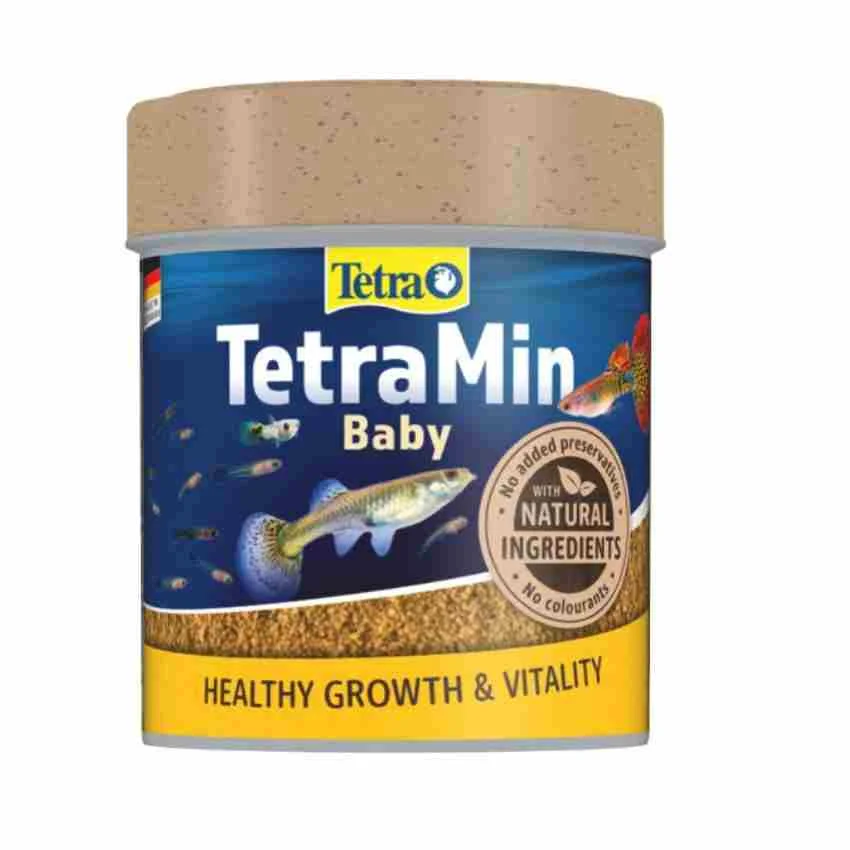
For general aquarium feeding, Tetra TetraMin is a well-liked choice. Make sure the formula and feeding guidelines are appropriate for your fish by always checking them.
Tips for Choosing High-Quality Fish Food
Before buying fish food, check:
- Quality Ingredients
Look for foods containing:
- Fish meal
- Shrimp meal
- Spirulina
- Natural proteins
- Vitamins and minerals
- Suitable Food Size
Choose food according to fish size:
- Small flakes for tiny fish
- Medium pellets for community fish
- Larger pellets for bigger species
- Species-Specific Formula
Always select food designed for your fish type rather than using one food for every species.
Common Fish Feeding Mistakes to Avoid
Many aquarium problems occur because of incorrect feeding habits.
Avoid:
- Feeding too much food
- Using expired fish food
- Giving unsuitable food
- Feeding only one type of food
- Ignoring species requirements
A balanced diet is the foundation of healthy and beautiful fish.
Product Suggestion for Tropical Fish
When the pellet size and nutritional profile are appropriate for the species, vHikari Tropical Micro Pellets may be a good choice for small tropical fish.
Tips for Choosing High-Quality Fish Food
Final Thoughts
Choosing the best fish food types depends on your fish species, size, natural diet, and aquarium environment. Flakes, pellets, frozen foods, freeze-dried foods, live foods, and plant-based diets all have their own benefits.
The best approach is to provide variety and choose high-quality food that meets your fish’s nutritional needs. A proper diet not only keeps fish healthy but also enhances their colors, activity, and lifespan.
By understanding your fish’s requirements and following a consistent feeding routine, you can create a thriving aquarium ecosystem.