A key component of maintaining aquarium fish health, activity, and color is selecting the appropriate fish food varieties. The diet of fish varies. While some people require extra protein, others prefer plant-based diets. Because some fish eat on the bottom, others in the middle of the aquarium, and some at the surface, their feeding position also important.
Fortunately, fish food comes in a variety of formats, such as flakes, pellets, wafers, frozen meals, freeze-dried foods, and live foods. Your fish's species, size, feeding habits, and nutritional requirements will determine the best option.
What Are the Best Fish Food Types?
No single food is ideal for all aquarium fish. A sensible strategy is frequently to combine a high-quality main diet with sporadic variation.
The most popular kinds of fish food are as follows:
Fish flakes
Pellets of fish
Food that has been freeze-dried
Food that is frozen
Live food
Gel food
Plant-based meals and algae wafers
Let's take a closer look at each kind.
1. Fish Flakes
For aquarium owners, sh flakes are among the most popular options. They work well for many surface and mid-water feeders since they are lightweight and typically float at first before gradually sinking.
For little community fish like guppies, tetras, and other small tropical species, flakes are particularly practical. For fish with small jaws, they can also be smashed into smaller bits.
Benefits of Fish Flakes
Simple to portion
Easy to feed every day
Ideal for a variety of small fish
Widely accessible
Simple enough for novices to use
Possible Disadvantages
When flakes are submerged in water, they can disintegrate rapidly. Don't feed your fish more than they can consume because this could lead to poor water quality.
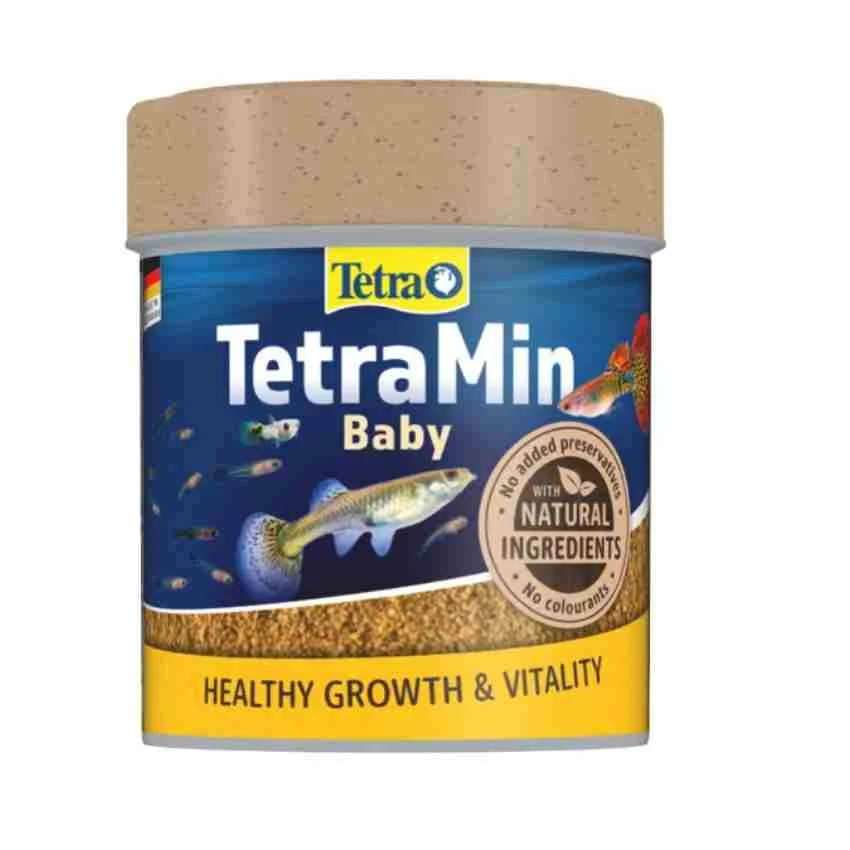
For general aquarium feeding, Tetra TetraMin is a well-liked choice. Make sure the formula and feeding guidelines are appropriate for your fish by always checking them.
2. Fish Pellets
Pellets, which come in various sizes, formulations, and sinking methods, are yet another great option. While sinking pellets can assist food reach fish that prefer the middle or bottom of the aquarium, floating pellets are helpful for fish that feed close to the surface.
Due to their ease of ingestion, micro pellets are especially helpful for little fish.
Why Opt for Pellets?
Available in several sizes
Simple to quantify
There are choices for both floating and sinking.
There are numerous species-specific formulae.
can offer a basic diet that is nutritionally balanced.
Product Suggestion for Tropical Fish

When the pellet size and nutritional profile are appropriate for the species, vHikari Tropical Micro Pellets may be a good choice for small tropical fish.
3. Freeze-Dried Fish Food
cuisine like bloodworms, brine shrimp, krill, or Daphnia are typically used to make freeze-dried cuisine. They may be kept without refrigeration, which makes them convenient.
Rather than taking the place of a nutritious staple diet, they are frequently finest utilized as a supplement or treat.
Advantages of Freeze-Dried Food
Easy to store
Many fish find it appealing.
Beneficial for increasing diversity
can motivate hesitant eaters
Feeding Tip
After absorbing water, some freeze-dried foods may expand. Fish may find it easier to eat them if they are briefly soaked before feeding.
4. Frozen Fish Food
Bloodworms, brine shrimp, Daphnia, and other aquatic feeds are examples of frozen fish foods. Fish frequently accept them and they can offer diversity.
Foods that are frozen should be handled and stored with care. Instead of continuously thawing and refreezing the same quantity, only defrost the amount you plan to feed.
It's often better to think of frozen foods as a component of a diverse feeding schedule rather than as your fish's sole source of nourishment.
Ideal Applications
Foods that are frozen can be especially helpful for:
Picky eaters
Fish cultivation
Some breeding fish are being conditioned.
Including diversity in a basic diet
5. Live Fish Food
Live foods include things like brine shrimp, Daphnia, and certain worms. They can cause vigorous feeding behavior and may be particularly attractive to fish that are reluctant to take prepared foods.
But live foods need more attention and care than dry foods. Contaminated or low-quality live foods can bring pathogens or other unwanted organisms into an aquarium.
Live food is generally best used little as part of a varied diet.
Advantages
Highly attractive to a lot of fish.
Encourages natural hunting natural feeling
Added variety
Good for some fussy fish
Disadvantages
Harder to store
May be an inconvenience
Potential contamination issues
Not nutritionally complete alone
6. Gel Fish Food
Gel food is a food made by mixing food ingredients with a gel-forming ingredient to produce a soft food that can be eaten by aquarium fish.
It might be good for some fish that have a hard time with hard pellets or flakes.
Gel foods can also be designed for particular dietary requirements, like plant-based diets.
For most beginners however a well made pellet or flake is generally easier for everyday feeding.
7. Algae Wafers and Plant-Based Fish Food
Some fish in the aquarium need more plant matter in their diet. Algae wafers and other foods intended for plant-eating bottom fish are widely used.
Wafers sink to the bottom, and they stay around longer than light flakes which makes them useful for fish such as plecos and some loaches.
Make sure to match the ingredients and nutritional profile of the plant-based foods to the species that you keep.
How to Choose the Best Fish Food
Buying the most expensive container of fish food is not the answer. First consider these factors.
1. Species of Fish
Different species have different nutrition needs. A betta, goldfish, pleco, or cichlid should not automatically be fed the same food.
2. Size of fish.
The food should be sized so that the fish can easily eat it. Small fish may have trouble swallowing large pellets.
3. Feeding Location
Think about where your fish usually eat:
Surface feeders: floating granules or pellets
Mid-water feeders (slow sinking foods)
Bottom-feeders: Sinking pellets or wafers
The food is moved in the same direction as the fish’s natural feeding position to reduce the amount of food that is not eaten.
4. Dietary Requirements
Determine if your fish is mainly herbivorous, carnivorous or omnivorous. Find a food that is made for that kind of diet.
5. Ingredient (or)
Don't let the pretty packaging fool you. Check the ingredient list and guarantyd analysis to see if the meal is good for your fish.
Best Fish Food for Different Fish
Food for Betta Fish
In general, betta fish benefit from food that is suitable in size, high in protein, and tailored to their dietary requirements. Because bettas frequently feed close to the surface, little floating pellets are practical.
One choice for betta owners in India is Grow Intan Betta Pellets. Before making a purchase, look at the pellet size and feeding guidelines.
The Best Food for Goldfish
Goldfish can be given other suitable meals or specially prepared goldfish pellets. The size of the pellet should match the size of the fish.
4.9 Hikari Goldfish Bio-Gold Plus Small Pellet
A species-specific choice to think about is Hikari Goldfish Bio-Gold Plus.
The Best Diet for Tiny Tropical Fish
Appropriately sized flakes or micropellets frequently work well for little tropical fish.
How Often Should You Feed Fish?
The species, age, size, and tank conditions all affect how much feed is appropriate. Giving your fish a limited amount that they can quickly consume is a helpful general rule of thumb.
One of the most frequent feeding errors in aquariums is overfeeding. Food that hasn't been consumed can decompose and lower the quality of the water.
An easy routine is:
Serve a tiny amount.
As the fish feed, keep an eye on them.
Just because they seem eager doesn't mean you should add more.
When necessary, remove food that is clearly uneaten.
Adapt the quantity to your fish and aquarium.
Common Fish Feeding Mistakes
Verfeeding
Overfeeding can have a detrimental effect on the aquarium's water quality by leaving leftovers.
Selecting the Incorrect Food Size
Smaller fish may find it challenging to consume food that is too big.
Providing Just Treats
Foods that are frozen, live, or freeze-dried can bring variety, but they shouldn't take the place of a staple diet that is nutrient-dense.
Disregarding Various Dietary Requirements
Fish in a community aquarium may have somewhat distinct dietary needs. Make appropriate eating choices.
Purchasing Based Only on Cost
The best value isn't always found in the cheapest food. Pay attention to the components, composition, freshness, and appropriateness for your seafood.
